A Structured Process Means Consistent Quality
At Crayd Global, we believe that great garments come from great processes. From the first roll of fabric to the last packaged box, every part of our production journey is built to deliver precision, consistency, and reliability.
Our step-by-step production system ensures:
- Predictable lead times
- Consistent product quality
- Cost-efficient scaling for any order size
- Full process traceability
- Compliance with global buyer standards
We don’t just manufacture garments. We build trust, efficiency, and quality—one step at a time.
Our 8-Step Production Workflow
We follow a standardized 8-stage production cycle that guarantees quality at every level. Each step is backed by skilled teams and real-time quality control, ensuring the final product meets both buyer expectations and global standards.
Our Core Workflow
Step | Process Stage | Description |
1 | Fabric Inspection | 4-point inspection of fabric quality and defects |
2 | Cutting | CAD marker layout and precision cutting |
3 | Bundling & Fusing | Component bundling and collar/cuff fusing |
4 | Sewing & Assembly | Progressive sewing lines with skilled operators |
5 | In-line Quality Control | Real-time error identification during sewing |
6 | Finishing & Ironing | Thread trimming, ironing, and accessory fixing |
7 | Final Quality Check | AQL 2.5-based inspection of finished garments |
8 | Packaging & Dispatch | Folding, tagging, and final shipment prep |
Fabric Inspection and Marker Planning
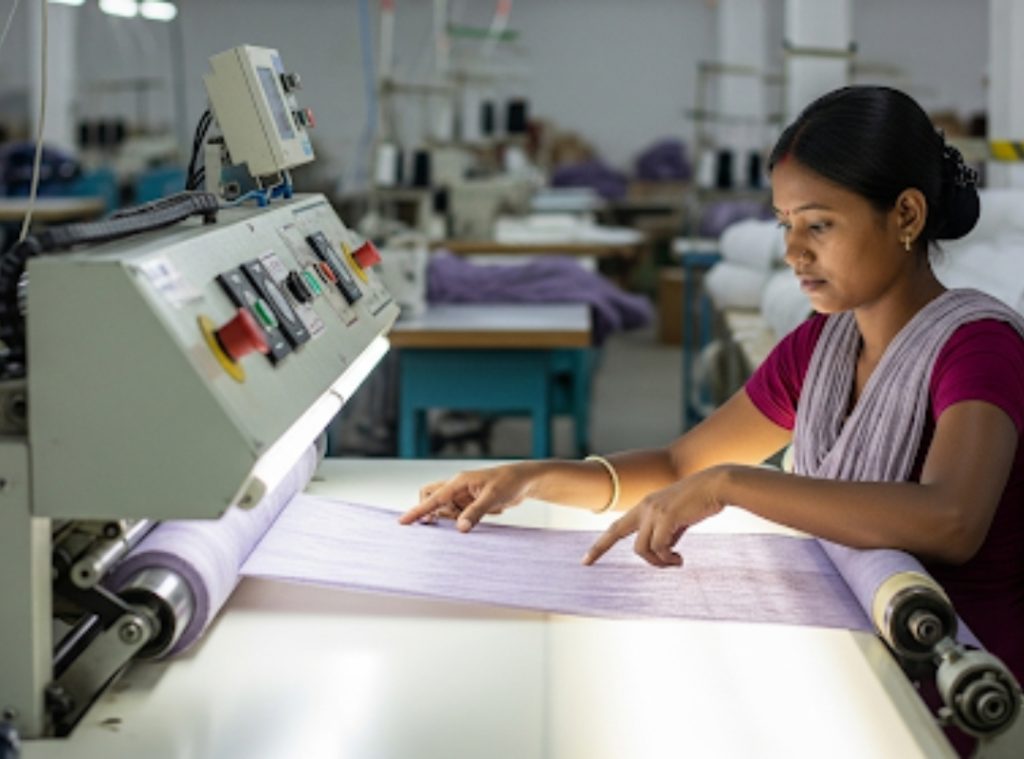
Our production begins with a thorough inspection of all incoming fabrics. We implement the 4-Point Fabric Inspection System to check for:
- Color consistency
- Yarn slubs or weaving defects
- Shrinkage rate and GSM deviation
- Width and usable area
Fabric is only approved after passing all quality parameters and being properly relaxed for at least 24 hours before cutting begins.
Cutting – Laying the Foundation
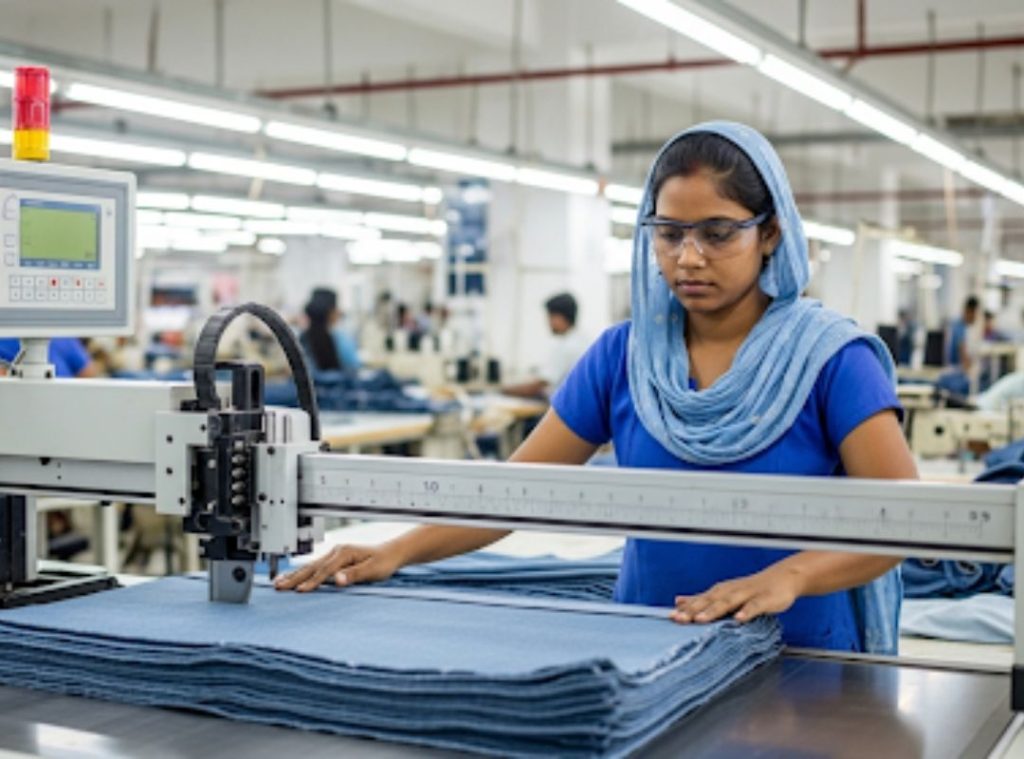
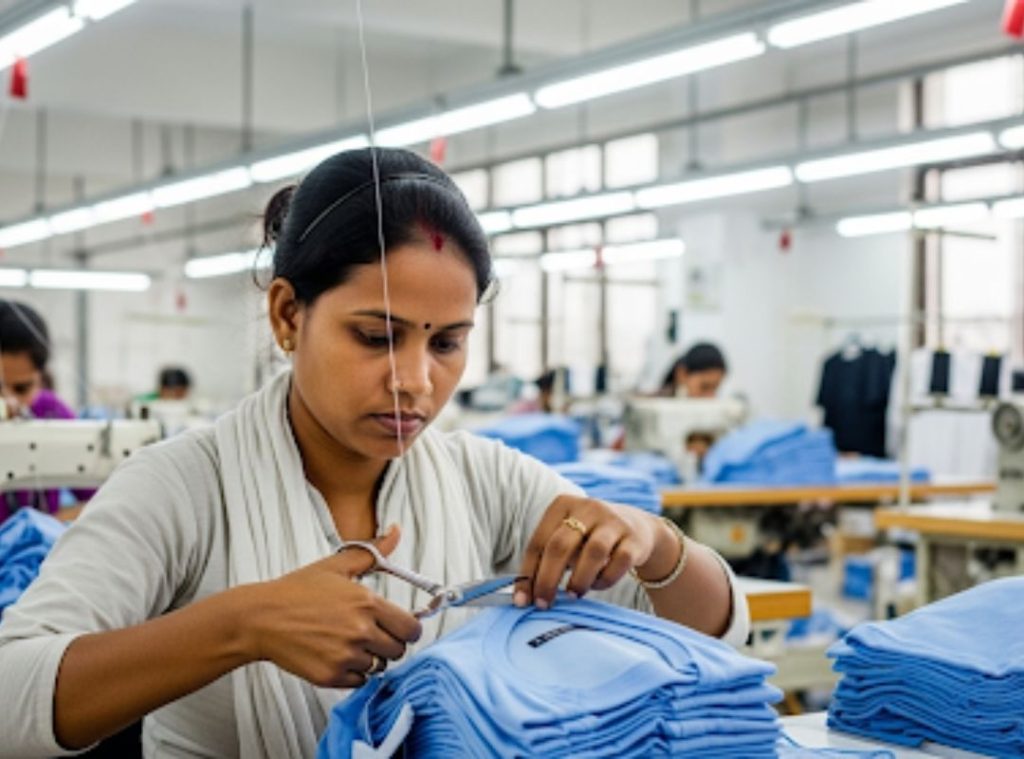
Cutting is one of the most critical stages in our workflow. We use CAD software to plan marker layouts that maximize fabric yield and reduce waste. Depending on fabric type and product complexity, we use manual or semi-automatic cutting machines.
Our cutting department ensures:
- Accurate panel cutting
- Numbering and bundling of cut components
- Fusing of collars, cuffs, and plackets for added durability
Sewing and Assembly
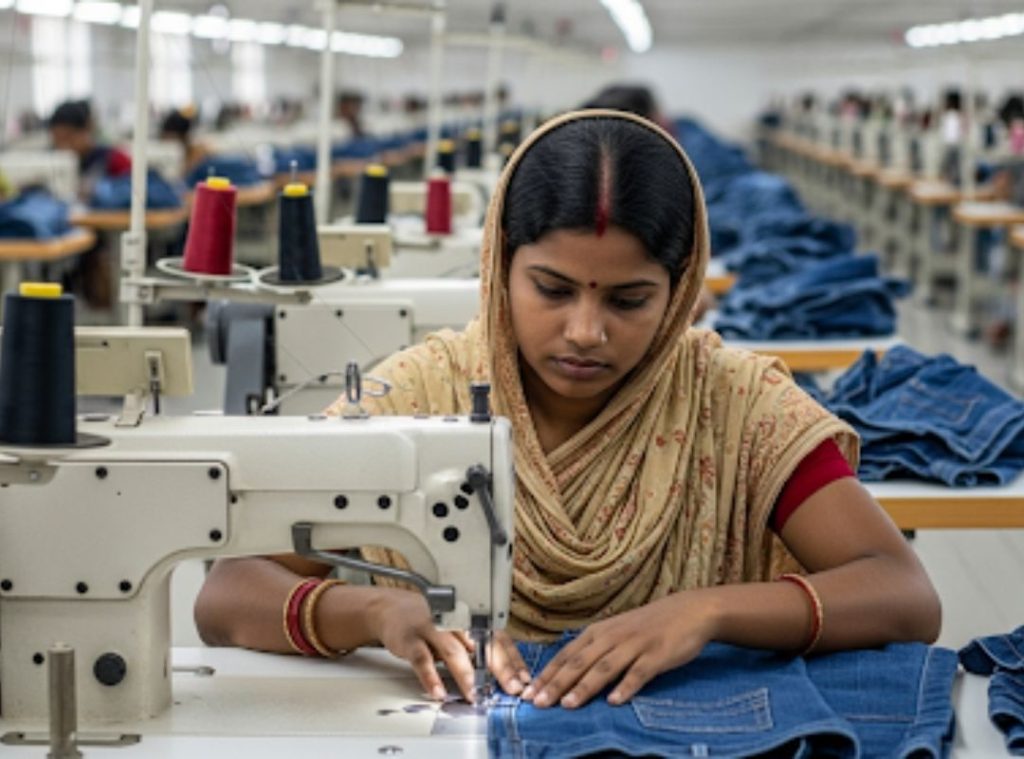
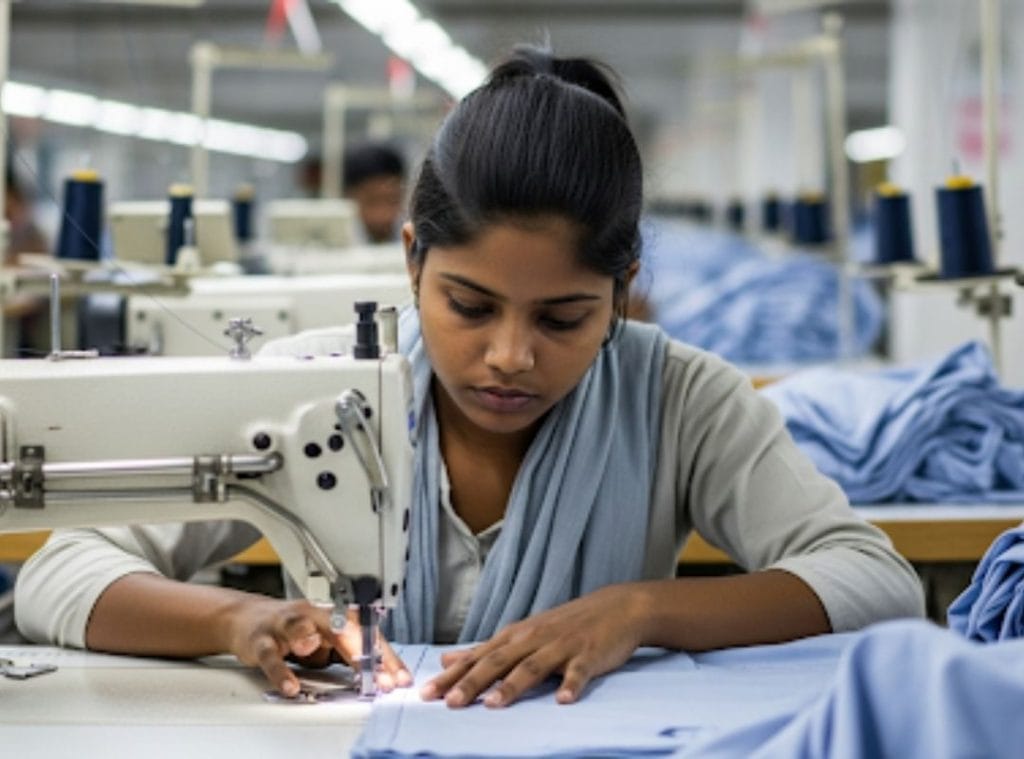
The heart of garment making lies in skilled assembly. Our sewing floors operate with modern machines and efficient layout planning. Each line is tailored for specific styles, whether knitwear, casual shirts, or outerwear.
Key highlights:
- Use of flat lock, overlock, and single needle machines
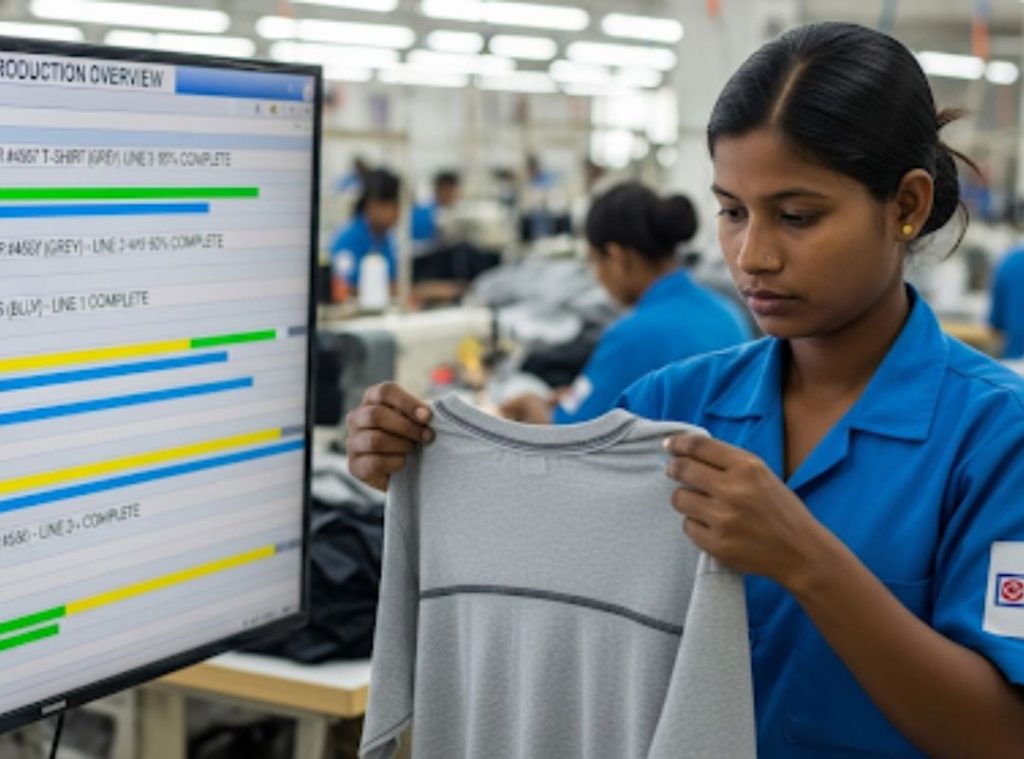
- Real-time performance tracking and feedback
- Line supervisors to ensure assembly flow
- Clear handover stages between operations
The result is streamlined production with minimal rework.
In-Line and End-Line Quality Control
We strongly believe in quality being built into the process rather than added at the end. Therefore, we integrate three types of quality checks throughout production:
- In-Line Quality Control – For catching and correcting errors mid-process
- End-Line Quality Control – Checks on completed units at the end of each line
- Pre-Finishing Audit – Ensuring garments are defect-free before moving to finishing
Our QC teams are trained with buyer-specific defect criteria to meet varying market standards.
Finishing – Polishing the Product
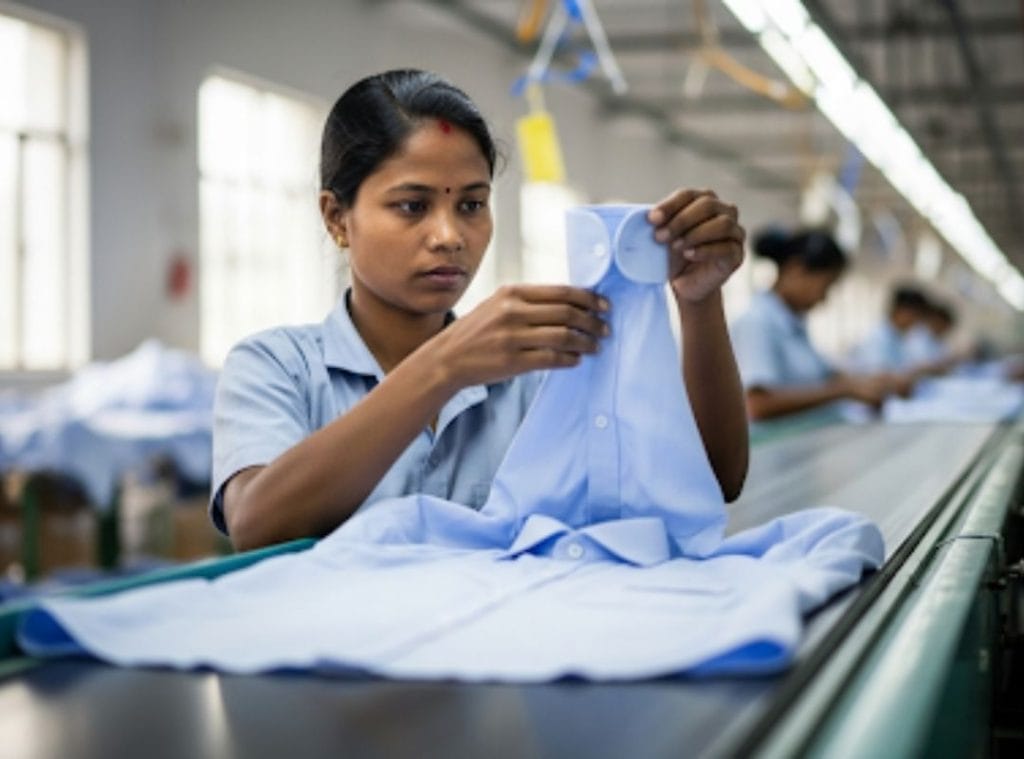
Finishing is where your product goes from stitched to polished. We pay close attention to the visual and functional aspects of every garment before packaging.
Our finishing process includes:
- Trimming extra threads
- Steam ironing or pressing
- Button/zipper attachment
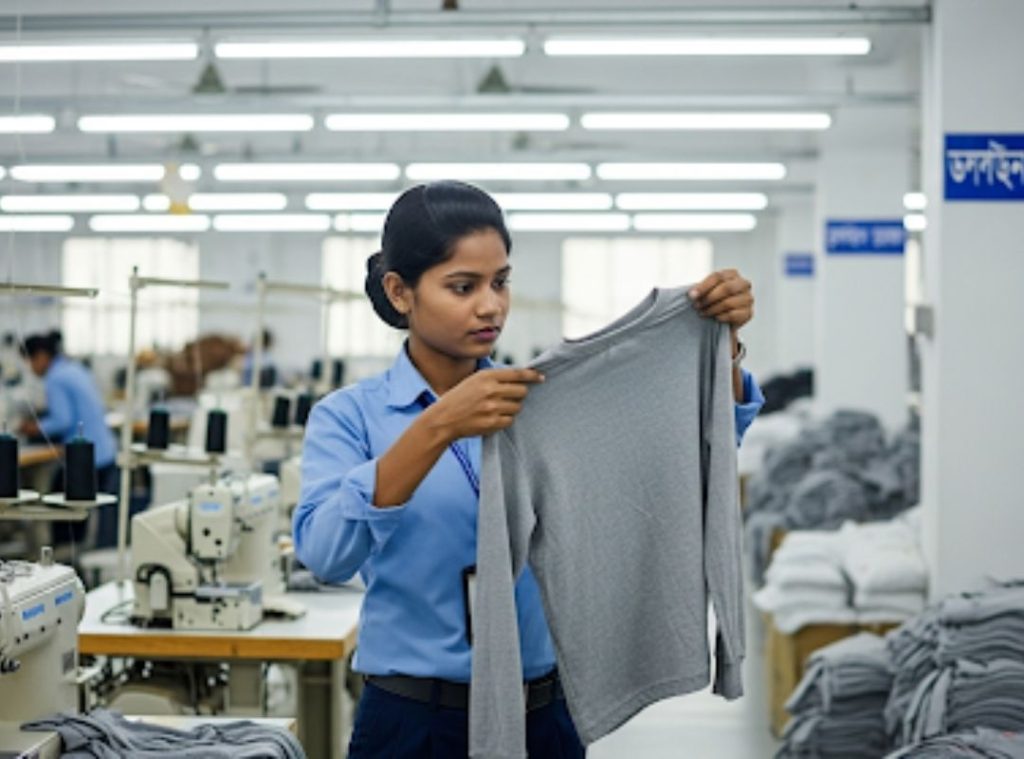
- Final visual inspection
- Stain and spot cleaning
Every garment must pass aesthetic and presentation standards before reaching the packaging table.
Final Quality Inspection (AQL 2.5)
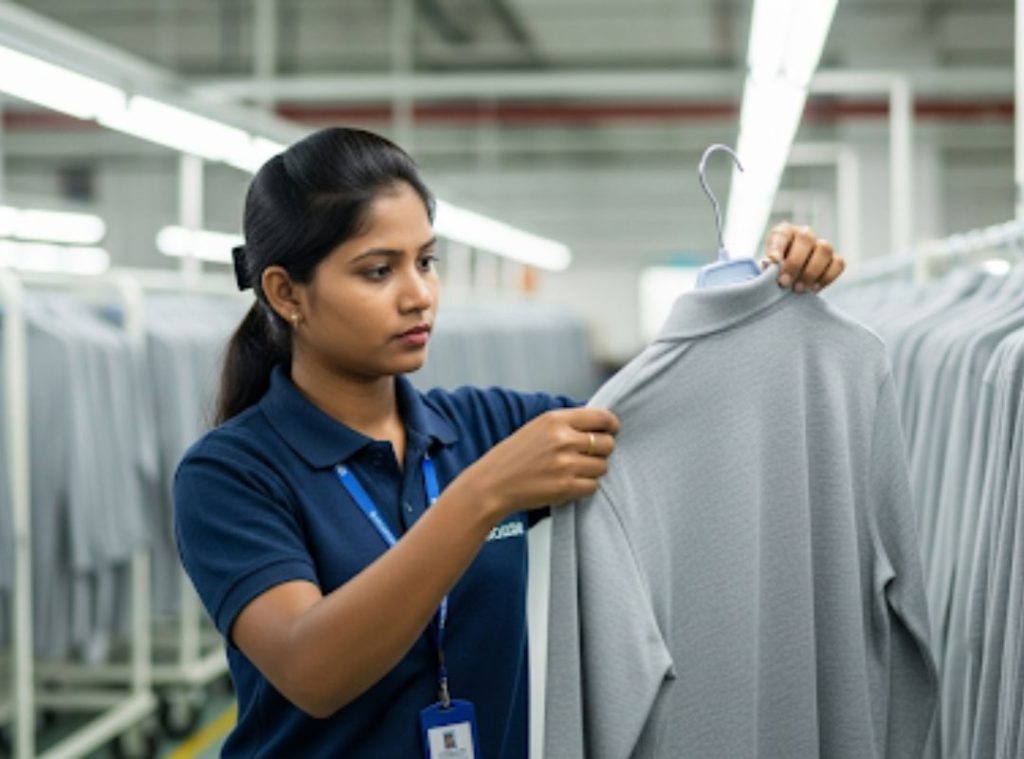
At the end of the production line, we conduct a thorough inspection using the AQL 2.5 method—a globally recognized standard accepted by major fashion brands. Our QC team checks:
- Stitching consistency
- Label and size accuracy
- Color shade matching
- Button, zipper, and fastening functionality
- Defect-free presentation
Buyers can request full QA reports for documentation and compliance.
Compliance and Ethical Standards
Compliance is not just a requirement—it’s our responsibility. Our factory maintains strict internal standards aligned with global labor and sustainability norms. We are committed to:
- Safe working conditions and PPE enforcement
- Zero child labor and forced overtime
- Gender equality and fair wage policies
- Fire exits and emergency drill readiness
- Eco-friendly waste management
We don’t just comply—we lead by example
Traceability and Transparency
Crayd Global believes in 100% transparency. Our clients receive updates throughout the production process, giving them full visibility into their order status. We offer:
- Stage-by-stage production updates
- Photographic proof of QC and packaging
- Real-time reporting for sampling and approval
We’re also developing a QR-based traceability solution, allowing end-to-end tracking of each production batch.
Small but Agile – Our Core Strength
We are not a high-volume mega factory, and that’s by design. Our structure allows us to:
- Take on flexible production volumes
- Respond fast to urgent revisions or reworks
- Maintain clear and direct communication with buyers
- Deliver with precision and accountability
This agility gives our clients a competitive edge, especially in a fast-moving fashion market.
Book a Process Tour or Request Documentation
Want to see our system in action? We offer both virtual and physical walkthroughs for sourcing professionals, compliance auditors, and brand partners.
You can:
- Schedule a virtual or in-person factory tour
- Request our full step-by-step production PDF
Get a downloadable sheet of our monthly production capacity
Ready to Start?
At Crayd Global, our process is your assurance. Every stitch, fold, and finish is a reflection of the discipline and care we bring to every order.
Let us bring your designs to life—with quality that begins at the process level.